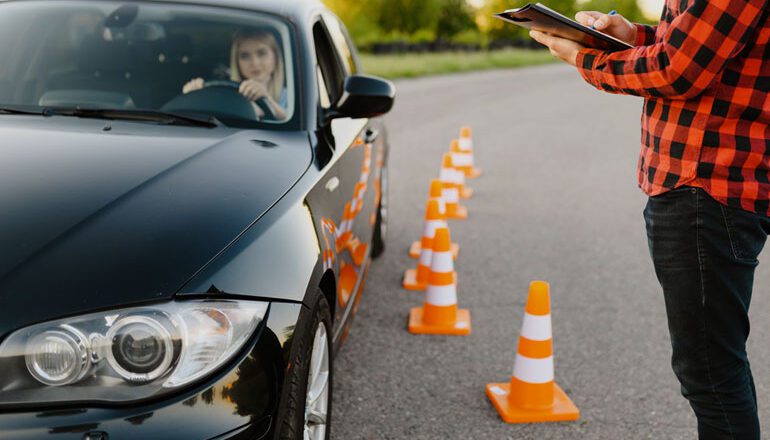
We pride our business on its professionalism, punctuality, affordability, and up to date teaching techniques and learning strategies. Our mission is to provide our students with a higher standard of driving techniques to help them become safe, confident drivers.
We are looking forward in sharing our best with you!
Becoming a better driver isn’t about driving faster — it’s about driving smarter.
These professional-level driving tips will help you improve control, awareness,
confidence, and overall road safety in real NYC traffic conditions.
1. Look Far Ahead — Not Just in Front of Your Hood
Beginner drivers focus too close to their vehicle. Advanced drivers scan 10–15 seconds ahead.
This gives you more reaction time and smoother decision-making.
Anticipate traffic light changes
Notice brake lights early
Identify potential hazards before they become problems
2. Smooth Is Safe
Sudden braking, sharp steering, and aggressive acceleration reduce control.
Smooth drivers are safer drivers.
Professional tip: If your passenger feels comfortable, you're probably driving correctly.
3. Master Defensive Driving
Assume other drivers may make mistakes. Always leave space around your vehicle.
In Brooklyn traffic especially, defensive driving prevents 90% of accidents.
Maintain safe following distance
Expect sudden lane changes
Never trust turn signals blindly
4. Mirror Discipline
Check mirrors regularly — not just when turning.
A quick glance every 5–8 seconds builds full road awareness.
5. Perfect Your Stops
Complete stops mean zero movement. Rolling stops are one of the most common mistakes
on road tests and in real-life driving.
6. Stay Calm Under Pressure
Traffic, honking, impatient drivers — they are part of NYC driving.
Calm drivers make better decisions and avoid emotional mistakes.
7. Practice Intentionally
Random driving doesn’t build skill. Structured practice does.
Focus each session on one improvement area:
Parking precision
Lane changes
Intersection control
Highway merging
Final Thoughts
Great drivers are not born — they are trained.
Consistency, awareness, and calm decision-making are what separate average drivers from confident, safe drivers.
Used to monitor number of Google Analytics server requests
10 minutes
__utmb
Used to distinguish new sessions and visits. This cookie is set when the GA.js javascript library is loaded and there is no existing __utmb cookie. The cookie is updated every time data is sent to the Google Analytics server.
30 minutes after last activity
__utmc
Used only with old Urchin versions of Google Analytics and not with GA.js. Was used to distinguish between new sessions and visits at the end of a session.
End of session (browser)
__utmz
Contains information about the traffic source or campaign that directed user to the website. The cookie is set when the GA.js javascript is loaded and updated when data is sent to the Google Anaytics server
6 months after last activity
__utmv
Contains custom information set by the web developer via the _setCustomVar method in Google Analytics. This cookie is updated every time new data is sent to the Google Analytics server.
2 years after last activity
__utmx
Used to determine whether a user is included in an A / B or Multivariate test.
18 months
_ga
ID used to identify users
2 years
_gali
Used by Google Analytics to determine which links on a page are being clicked
30 seconds
_ga_
ID used to identify users
2 years
_gid
ID used to identify users for 24 hours after last activity
24 hours
_gat
Used to monitor number of Google Analytics server requests when using Google Tag Manager
1 minute
_gac_
Contains information related to marketing campaigns of the user. These are shared with Google AdWords / Google Ads when the Google Ads and Google Analytics accounts are linked together.
90 days
Marketing cookies are used to follow visitors to websites. The intention is to show ads that are relevant and engaging to the individual user.
Google Maps is a web mapping service providing satellite imagery, real-time navigation, and location-based information.